
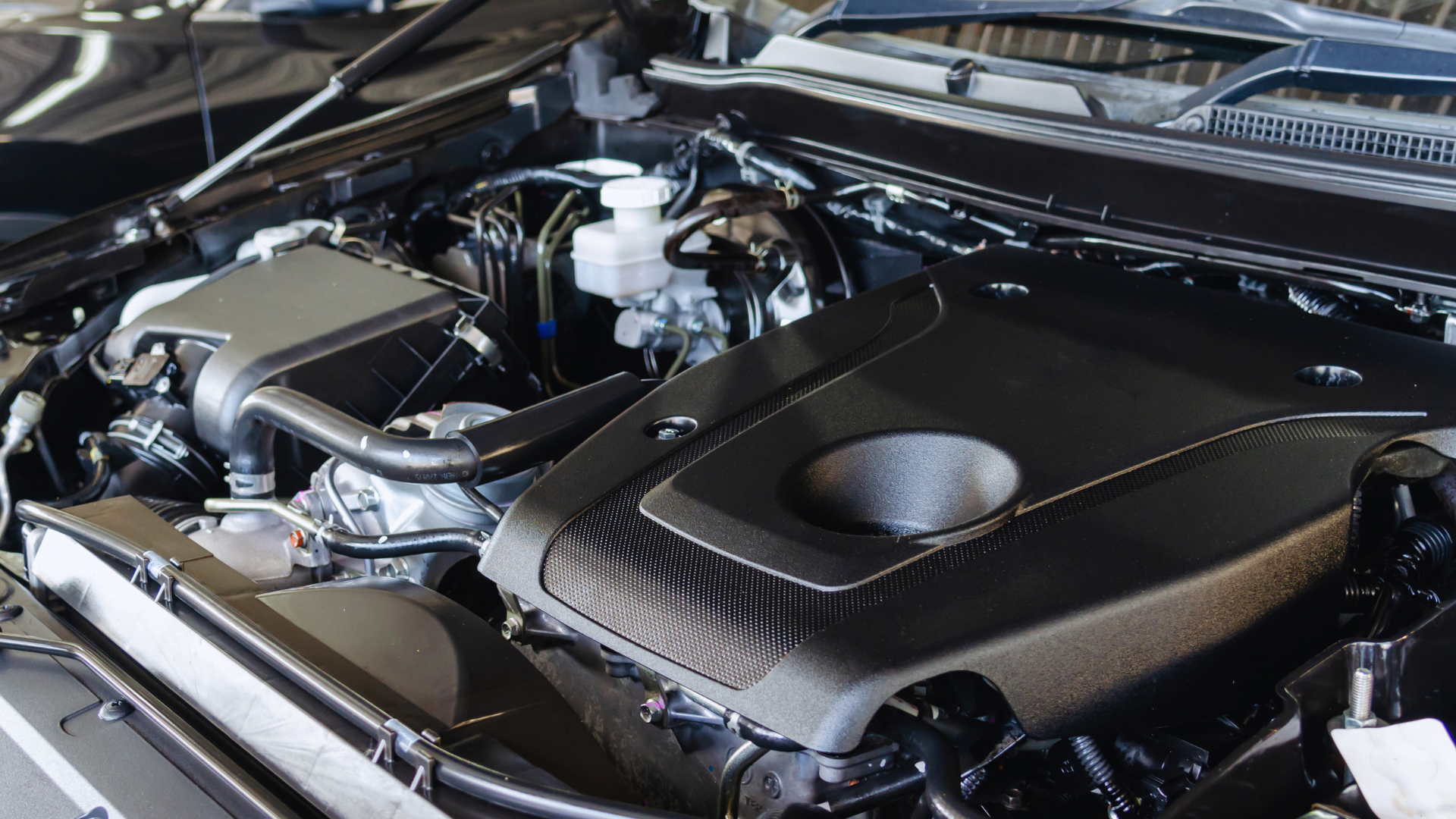
Understanding what makes a car engine truly high-performance involves more than just raw power. It requires a balance of factors such as efficient airflow, combustion precision, and robust materials that withstand extreme conditions. A high-performance engine delivers superior power, responsiveness, and reliability by optimising these elements together.
Enthusiasts and engineers alike focus on components like turbochargers, variable valve timing, and lightweight construction to enhance engine output without sacrificing durability. The ability to maintain high performance under stress is a key marker that separates ordinary engines from exceptional ones.
This blend of engineering precision and material quality defines how well an engine performs in real-world conditions. Knowing these principles helps readers appreciate what truly drives a high-performance engine beyond just horsepower numbers.
Essential Qualities of a High-Performance Engine
A high-performance engine delivers a precise blend of power, responsiveness, and efficiency. Key factors include how it generates and applies power, its ability to rapidly change speeds, and how effectively it converts fuel into motion.
Significance of Power and Horsepower
Power in an engine is most often expressed as horsepower, which measures the engine’s ability to do work over time. Higher horsepower corresponds to greater speed potential and stronger performance in demanding driving conditions.
Horsepower is calculated from torque and engine speed (RPM), making both crucial. Engines with high horsepower provide sustained power output, helping vehicles reach and maintain high speeds efficiently.
In performance tuning, increasing horsepower can involve enhancing air intake, improving fuel combustion, or upgrading exhaust systems. Power figures alone don’t define engine quality but indicate its maximum output capability under optimal conditions.
Torque and Acceleration Dynamics
Torque is the rotational force the engine produces, directly affecting acceleration and low-end responsiveness. A high torque output enables quicker launch and better performance when carrying loads or climbing hills.
Engines with strong torque at low RPM deliver smooth, immediate throttle response and make the vehicle feel more powerful in everyday driving. Torque shapes the engine’s ability to accelerate fast from a standstill or while overtaking.
The balance between torque and horsepower is critical. Too much focus on torque without adequate horsepower limits top speeds, while insufficient torque can cause sluggish off-the-line acceleration.
RPM and High-Revving Capability
RPM (revolutions per minute) measures how fast the engine spins. High-performance engines often rev higher, allowing them to produce more power at elevated speeds.
Higher RPM capacity means the engine can sustain power output through a broader range of speeds. This characteristic is common in sports cars, where engine speed relates directly to peak horsepower.
However, high-revving engines require advanced materials and precise engineering to withstand increased mechanical stress and heat. The result is sharper throttle response, but often at the expense of fuel efficiency and low-end torque.
Compression Ratio and Efficiency
The compression ratio is the volume difference in the cylinder between the lowest and highest piston positions. A higher compression ratio improves engine efficiency by extracting more energy from the fuel-air mix.
Engines with high compression ratios deliver better power-to-fuel-consumption ratios. They enable higher thermal efficiency, which translates into improved fuel economy and performance.
Modern high-performance engines optimise compression ratios alongside advanced ignition and fuel systems to reduce knocking and increase output. This balance is vital for combining raw power with durability and drivability.
Precision Engineering and Technological Innovations
High-performance engines rely heavily on exacting standards and new technologies. Careful material selection, detailed manufacturing processes, and engineered enhancements all contribute significantly to engine capability and durability.
Role of Advanced Materials
Advanced materials improve strength while reducing weight in high-performance engines. Components such as pistons and connecting rods increasingly use forged aluminium alloys or titanium for their high strength-to-weight ratios. This allows faster engine response and higher revolutions per minute (RPM) without compromising durability.
Ceramic coatings on cylinder walls and valves limit heat loss and resist wear. Such materials maintain efficiency under extreme conditions and enable higher combustion pressures. The use of carbon fibre reinforced composites in components like intake manifolds reduces inertia and improves throttle response, key in precision engineering.
Precision Manufacturing Techniques
Precision manufacturing ensures each engine part meets tight tolerances critical for performance. Computer numerical control (CNC) machining provides consistent accuracy in component shaping and surface finish. This reduces friction and improves sealing between moving parts.
Techniques such as laser sintering and 3D printing allow for intricate geometries that would be impossible with traditional methods. They enable optimisation of airflow and cooling channels. Precision assembly with measured torque and alignment preserves engine balance and reduces stress points, essential for high-performance output.
Forced Induction Systems
Forced induction systems, including turbochargers and superchargers, boost engine power by increasing air density entering the combustion chamber. Turbos harness exhaust gas energy, while superchargers are driven mechanically by the engine.
Modern variable geometry turbochargers (VGTs) adjust turbine vanes to maintain efficient boost across a wide RPM range. This improves throttle response and reduces turbo lag. Intercoolers cool compressed air, increasing oxygen density, which raises combustion efficiency and power output. Forced induction demands precise engineering to manage heat, pressure, and mechanical loads safely.
Aftermarket Modifications
Aftermarket modifications extend and enhance factory precision engineering. Performance camshafts and lightweight flywheels reduce rotational mass, helping engines rev quicker. Custom exhaust headers improve scavenging, aiding airflow.
Electronic control unit (ECU) remapping adjusts fuel injection and ignition timing for better power delivery and fuel economy. High-performance fuel injectors increase fuel flow to match increased air from forced induction. These modifications require knowledge to maintain engine balance, reliability, and avoid overstressing components.
Performance Integration within High-Performance Vehicles
Effective integration of various components is essential to maximise a high-performance vehicle’s capabilities. The synchronisation between the powertrain, aerodynamics, and chassis systems determines how well the vehicle performs under demanding conditions.
Powertrain Coordination and Optimisation
High-performance vehicles rely on seamless coordination between the engine, transmission, and drivetrain. This integration ensures power delivery is smooth and precise, reducing lag and improving responsiveness.
Many luxury sports cars employ advanced electronic control units (ECUs) to manage real-time adjustments in fuel injection, ignition timing, and turbo boost pressure. These technologies optimise efficiency and performance simultaneously.
Transmission systems, such as dual-clutch or sequential gearboxes, minimise shift times and maintain engine momentum. Powertrain calibration often includes limited-slip differentials to improve traction without sacrificing speed or control.
Aerodynamics and Spoiler Design
Aerodynamics play a critical role in enhancing speed and stability. Spoilers are designed not only to improve aesthetics but to manipulate airflow, increasing downforce or reducing drag depending on the vehicle’s intent.
In high-performance vehicles, adjustable spoilers frequently adapt to driving conditions. At high speeds, they increase downforce, enhancing grip on corners and under heavy braking. At lower speeds, they reduce drag to maintain fuel efficiency.
The design focuses on balancing front and rear aerodynamic forces. This balance prevents understeer or oversteer, crucial for maintaining control during aggressive driving or track use.
Suspension and Braking Systems
Suspension in high-performance vehicles is tuned for precision and adaptability. Multi-link or adaptive suspensions adjust stiffness based on road conditions and driving style, maintaining optimum tyre contact with the road.
Braking systems are engineered to handle the powertrain’s output, often utilising carbon-ceramic discs for superior heat resistance and reduced fade during repeated hard stops. Anti-lock braking systems (ABS) and electronic brakeforce distribution work together for controlled deceleration.
Both suspension and braking systems contribute significantly to vehicle handling, ensuring that high power is translated into consistent, controllable performance.
The Experience and Appeal of High-Performance Motoring
High-performance motoring combines raw speed, precision engineering, and a distinct lifestyle appeal. It delivers not only superior power and handling but also a unique connection between driver and machine.
Need for Speed and Enthusiast Culture
The core attraction for many is the ability to reach and maintain high speeds safely. Performance engines often produce rapid acceleration figures, measured by 0-60 mph times, creating a thrilling driving feel. This need for speed is central to enthusiast culture, where communities form around shared passion for finely tuned machinery.
Many drivers appreciate the engineering details, such as turbochargers or variable valve timing, which enhance power output. Track days, club meets, and online forums allow owners to exchange knowledge and push their vehicles to limits unavailable in regular traffic, reinforcing the appeal beyond simple speed.
Luxury and Exclusivity
High-performance cars frequently come with luxury features that elevate the driving experience. Premium materials like carbon fibre, leather, and bespoke trims contribute to a refined interior. Manufacturers often limit production runs, enhancing exclusivity and status.
Owning such cars signals more than speed; it represents craftsmanship and prestige. This exclusivity appeals to collectors and drivers who value distinctiveness and are willing to invest in vehicles that blend top-tier performance with comfort and style.
Impact on Everyday Driving
While designed for speed, many high-performance engines improve daily usability. Advanced engine management systems balance power with fuel efficiency and emissions controls. Suspension tuning sharpens handling on winding roads but often maintains ride comfort.
Drivers benefit from responsive throttle inputs and strong mid-range torque, making overtaking safer and encouraged. However, high-performance cars may require more maintenance and have higher running costs, factors buyers consider alongside the enjoyment of superior driving dynamics.
